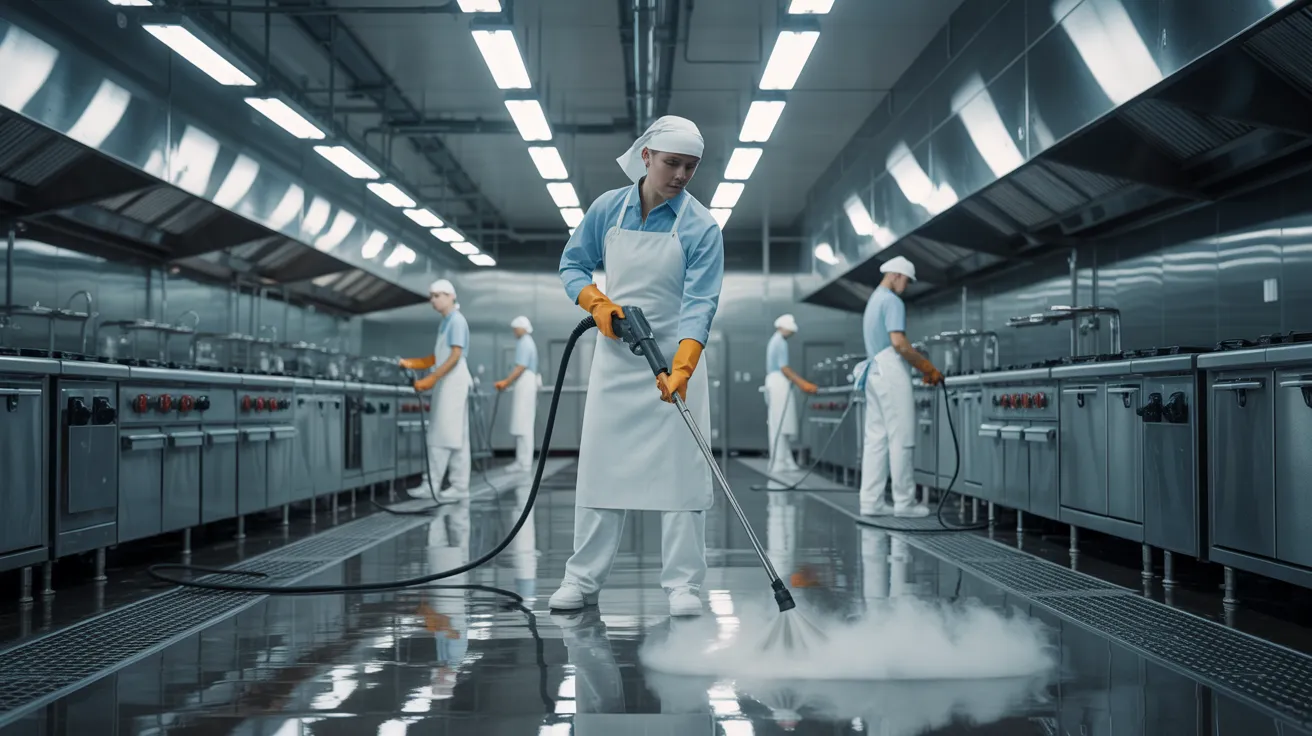
Professional food safety experts located in Brampton help maintain restaurants, food distribution facilities, baking enterprises, warehouses, and food service vehicles to sanitation standards. They disinfect high-touch surfaces, food prep surfaces, equipment, floors, drains, restrooms, and preparation zones with certified chemicals, at proper strength, and with verified times.
Essential Summary
- Food safety cleaning experts from Brampton support restaurants, grocery departments, commissaries, warehouses, bakeries, schools, mobile vendors, and allergen-sensitive operations.
- Frequently contacted areas, food-contact equipment, kitchens, floors, drains, restrooms, and storage areas are disinfected using compartmentalized approaches to eliminate cross-contamination.
- Logging of conclusion through swabs, assessments, and correction logs validates qualified specialists have confirmed approved sanitizer dilution, suitability, and contact time.
- Optimal hygiene calendars take into account danger, output capacity, transitions, releases, and standards when designating everyday, regular, and seasonal tasks by zone.
- Contractors must possess hazard analysis knowledge, health regulatory competency, safety training education, coverage, endorsements, colour-coded implements, and audit-ready cleaning documentation.
Brampton Venues That Need Food Safety Cleaning: Which Ones?
Any Brampton facility that processes, stores, prepares, packages, or distributes food needs food sanitation. You must apply it if your business falls under public health review, food rules, or HACCP systems. That requirement covers food service venues, employee cafes, supply centers, retail departments, meat shops, fish areas, local stores, and institutional food prep areas.
You'll equally need proper hygiene protocols in storage centers, processing facilities, refrigerated warehouses, bakery retailers, school nutrition programs, event halls, and delivery centers. Seasonal and mobile ventures matter as well, like food trucks, event sellers, and temporary stalls. Should your team handle raw materials, divide prepared dishes, warm finished meals, or maintain allergen storage, your venue requires established hygiene documentation. In Brampton, cleanliness remains compulsory; it forms statutory, functional, and public health compliance.
Which Areas Do Brampton Cleaning Experts Cover?
You require experienced cleaning professionals who disinfect high-touch surfaces, cooking areas, flooring, and bathrooms to maintain food safety and public health requirements. These locations are prioritized due to their high cross-contamination potential, falling hazards, and regulatory breaches.
Knowing their service areas enables you to validate your facility's cleaning meets operational demands and regulatory compliance.
High-Touch Surface Sterilization
assign how periodically each zone is disinfected
verify that sterilization was proper and facilitate remedial steps if results come beyond specified thresholds
Kitchen Areas, Floor Surfaces, and Bathroom Spaces
Professional cleaners in Brampton prioritize kitchens, floors, and restrooms given that each location involves specific contamination control, slip-and-fall, and health code requirements. In industrial kitchens, you need degreasing on cook lines, equipment exteriors, drains, prep surfaces, and splash zones to reduce bacterial growth and pest activity.
You should also expect documented floor care. is also provided as part of the service.
Restroom cleaning requires disinfecting touch areas, bathroom equipment, stall barriers, supply stations, and bins, replacing items and managing smells. They also service restaurant moprooms, where chemical storage, sink hygiene, and drainage conditions can affect sanitation compliance and staff safety daily.
How Food Safety Cleaning Benefits Brampton Operations
In Brampton, you must copyright food-safe cleaning standards to satisfy health code requirements and pass inspections. You also reduce cross-contamination by cleaning and sanitizing food-contact surfaces, equipment, and high-touch areas correctly. Most importantly, you safeguard public health by lowering the risk of foodborne illness in your facility.
Health Code Compliance
Food businesses in Brampton face mandatory safety protocols, making food safety cleaning crucial to adhering to health code requirements, safeguarding patrons, and eliminating enforcement action. You must maintain sanitized food contact points, documented cleaning schedules, correct sanitizer application, and documented employee protocols that align with municipal and provincial inspection expectations.
Failure to maintain cleaning standards results in violations, compliance orders, brand harm, and service interruption during follow-up inspections or enforcement actions.
Cross-Contamination Prevention
Maintaining regulatory compliance copyrights on your power to stop cross-contamination during everyday food preparation and sanitation. You need to partition uncooked items from finished dishes, sanitize prep surfaces between tasks, and store chemicals away from food-contact items. Clear procedures reduce transfer risks and support consistent compliance during inspections.
You might establish allergen separation to stop main allergens from reaching common areas, containers, or machinery. Apply separate boards, color-marked equipment, and strict utensil labeling so staff don't mix items during preparation or service. Enforce washing hands following uncooked meat, fish, egg products, or allergens. Change wiping cloths regularly, and check sanitizer strength with test strips. When employees learn these procedures each shift, you create a cleaner, safer operation that matches Brampton's safety requirements daily.
Community Health Safety
When sanitation protocols breaks down, you don't just risk a failed inspection—you heighten the likelihood of food-related sickness impacting customers, staff, and the wider Brampton community. You also undermine your responsibility in safeguarding community wellness, especially in busy food facilities where pathogens travel quickly through surfaces, equipment, and touchpoints.
You need sanitation procedures that eliminate contaminants, sanitize correctly, and confirm effectiveness. That requires adhering to exposure periods, using approved disinfectants, documenting schedules, and educating employees to meet regulatory standards. These controls support disease prevention by reducing pathogens before they reach food or hands. In Brampton, strong sanitation protects vulnerable populations, prevents disease spread, and enables you to show due diligence. When you clean to standard, you exceed basic requirements—you substantially decrease danger and promote secure food handling throughout the region.
How Can Cleaning Practices Ensure Food Safety Compliance?
Establishing comprehensive cleaning schedules enhances food safety compliance by reducing contamination risks, limiting pathogen development, and maintaining your facility's adherence to sanitation requirements under HACCP-based programs and public health regulations. You validate that food-handling surfaces stay visibly clean and microbiologically controlled, enabling documented preventive controls and inspection readiness.
Comprehensive cleaning further enhances allergen prevention by clearing residues that can provoke undeclared allergen exposure. When you match verified sanitation methods with safety training, your staff can execute standardized methods, handle approved chemicals correctly, maintain records correctly, and manage irregularities prior to escalation occurs. Ongoing cleaning promotes audit trails, establishes remedial measures, and demonstrates accountability in audits. Moreover, it supports you safeguard product quality, preserve operational adherence, and lower the possibility of enforcement actions, recalls, formal complaints, and unnecessary health hazards.
What's the Right Time to Plan Commercial Cleaning?
Step up cleaning frequency during peak output, production changeovers, spillage occurrences, and following maintenance work.
Plan seasonal deep cleaning during shutdowns, weather-related soil buildup, or pest-pressure periods
Selecting the Right Brampton Cleaning Experts: Key Considerations
Evaluate providers first by sanitation compliance standards rather than cost. You must ensure each provider understands CFIA, public health, and HACCP requirements for your business. Request insurance proof, WHMIS compliance, staff training documentation, and supervision methods. Check technician awareness of cross-contamination risks, chemical safety, and traceable sanitation records.
You must also evaluate business consistency and oversight. Seek references from Brampton food companies, then assess response times, corrective-action procedures, and communication standards. Ensure the company enables supplier checks and can provide inspection-compliant records when authorities or third parties demand verification. Verify equipment is maintained, color-coded items are deployed correctly, and site-specific hazards are understood. A reputable service protects compliance, product integrity, and your brand reputation.
What does a Food Safety Cleaning Plan consist of?
Develop a written strategy that clarifies every sanitation responsibility, standard, and task prior to production start. You should outline cleaning frequencies, approved chemicals, dilution rates, contact times, tools, and verification methods for each location, surface, and apparatus. Incorporate pre-operational inspections, corrective actions, and employee training requirements.
Your plan should also focus on contamination prevention controls, waste handling procedures, pest management measures, and written schedules for rest areas, drains, flooring, and food-contact surfaces. Describe how you'll keep raw and ready-to-eat processes separate, facilitate ingredient tracking, and maintain accurate allergen labeling through validated cleaning between product changes. You should assign accountability, keep signed records, and review results against regulatory standards, HACCP controls, and customer requirements. When gaps appear, modify procedures immediately and instruct staff.
Frequently Posed Questions about the Plan
Are sanitation providers available for nighttime operations in Brampton properties?
If you operate controlled facilities, you'll also need documentation that enable audits and ensure quality assurance.
Can sanitation professionals manage hazardous incidents?
Yes, you can locate Brampton cleaning professionals providing hazard containment services. They manage contamination, evaluate risks, isolate contamination, and begin swift decontamination to minimize exposure and prevent business disruption. You should confirm timeframes, certifications, safety protocols, and waste procedures. If your facility must meet compliance standards, pick a provider that tracks incidents, adheres to standards, and ensures audit compliance.
Will plant-based disinfectants clean safely food-contact surfaces?
In essence, natural disinfectants are safe for surfaces contacting food provided you buy products labeled food safe that satisfy regulatory standards. Verify exposure duration, dilution rates, and rinse procedures before use. Plant-derived products decrease toxic chemical contact, although you must have evidence of effectiveness against specific pathogens. To keep residue free surfaces, follow manufacturer instructions exactly and ensure the disinfectant complies with food industry regulations.
Will cleaning plans respond to seasonal variations?
Absolutely, cleaning schedules can be customized for seasonal shifts. Modify frequencies, personnel, disinfectants, and confirmation procedures to fit seasonal workflows while upholding regulatory adherence. Minimize production downtime through planning cleaning during production shifts, peak volumes, and usage patterns. Further modify procedural documents, instruction programs, and environmental testing to account for seasonal hazards, novel allergens, or elevated soil levels. Periodic assessments maintain the plan functional.
Are commercial cleaners providing staff training on hygiene protocols?
Yes, commercial cleaners often train your staff on sanitation best practices. You receive employee instruction on proper chemical use, contact times, cross-contamination prevention, machine breakdown, and documentation. They typically align training with HACCP, GMP, and CFIA or regional health department regulations. Many also conduct sanitation audits to verify compliance, spot deficiencies, and comprehensive article reinforce corrective actions. This helps you maintain consistent procedures, pass inspections, and minimize contamination hazards daily.
Summary
By collaborating with Brampton commercial cleaning and food safety professionals, you aren't simply tidying—you maintain your facility compliance-focused and your standards in compliance. From kitchens to processing floors, every clean surface and maintained corner reduces pest risk and avoids expensive losses. By arranging service on the right schedule and following a documented cleaning plan, you protect your team, clients, and your standing. In a heavily controlled environment, hygienic conditions are mandatory—they're key to business compliance.